Choosing the Right Medical Simulation Equipment in Canada: A Buyer’s Guide
Medical simulation succeeds or stalls on the strength of the tools you place in learners’ hands. The wrong manikin, the wrong monitor, or the wrong accessories can turn a well designed scenario into an awkward exercise in workarounds. The right kit fades into the background and lets learners focus on judgment, teamwork, and muscle memory. Buying well is not about chasing a brand or the fanciest spec sheet. It is about matching capability to your learners, your curriculum, and the Canadian realities of service, shipping, and support.
Start with the learning you must achieve
Most organizations in Canada shop for simulation on a timeline. Fiscal year money frees up in March, or a grant hits in September and the fall term is racing toward midterms. The pressure encourages a catalog mindset, but you will save money and frustration by pausing to map gear to learning outcomes.
A rural EMS service in northern Alberta, for example, wanted High-fidelity CPR manikins with Bluetooth feedback because the team had read about compression fraction and recoil metrics. After a pilot, they realized the real bottleneck was basic hands-on practice in cold weather with gloves, on uneven surfaces, and in cramped bedrooms. They redirected half the budget to multiple rugged torsos with visible feedback lights and the other half to a single high-spec unit in the station for QI days. The shift tripled repetitions per paramedic and raised pass rates on quarterly skills checks.
When you write outcomes first, the equipment sorts itself. For basic life support, you need reliable compression depth and rate feedback, realistic chest stiffness, visible or app based cues, and consumables that do not annihilate your budget. For advanced airway courses, you need anatomic fidelity in the airway path and landmarks, not https://kyleritss746.image-perth.org/cpr-instructor-packages-canada-certification-curriculum-and-kit-bundles-explained a full body simulator with features you will not use. For interprofessional scenarios, fidelity in monitoring and team communication often matters more than whether the manikin sweats.
Canadian context changes the calculus
Medical simulation equipment Canada buyers face a specific set of constraints and advantages.
One, service and parts availability can matter more than a headline feature. If your campus is in Halifax or Thunder Bay, a unit that requires manufacturer-only repairs in the United States can add weeks of downtime and customs paperwork. Local distributors or Canadian service centers shorten the loop. Laerdal manikins Canada, for instance, have established distribution and support channels, which many college labs cite as the reason they standardize on those models.
Two, total cost of ownership swings wider than many budgets assume. Replacement lung bags, face skins, airway heads, batteries, firmware subscriptions, and software licenses add up. Prestan CPR manikins Canada have a reputation for low per-learner costs because replacement lungs and face shields are inexpensive and easy to swap. By contrast, high-end full body simulators add recurring costs in scenario software, service contracts, and periodic hardware refreshes. Neither is wrong, but budgets need to account for the realities.
Three, language and compliance are not afterthoughts. Bilingual user interfaces and documentation are essential in many provinces. French language mobile apps or dashboards, bilingual packaging, and training materials become make-or-break in Quebec and for national organizations. Electrical and safety compliance should be verified for Canadian use. Look for CSA or cUL markings, not just CE. Also confirm Health Canada classification where relevant, especially if your manikin interfaces with devices that simulate medical functions closely.
Four, weather and distance intrude on logistics. Lithium batteries face stricter shipping rules. Winter adds a layer of risk for temperature sensitive components and extended carrier delays. If you run outreach programs to Nunavut or northern Manitoba, you need manikins that tolerate transport, even when the van is freezing and the classroom is warm, and spares that are light enough to fly.
CPR manikins: where most programs begin
If you train first aid, lifeguards, firefighters, or nursing students, you will buy CPR manikins. The market divides into three practical tiers.
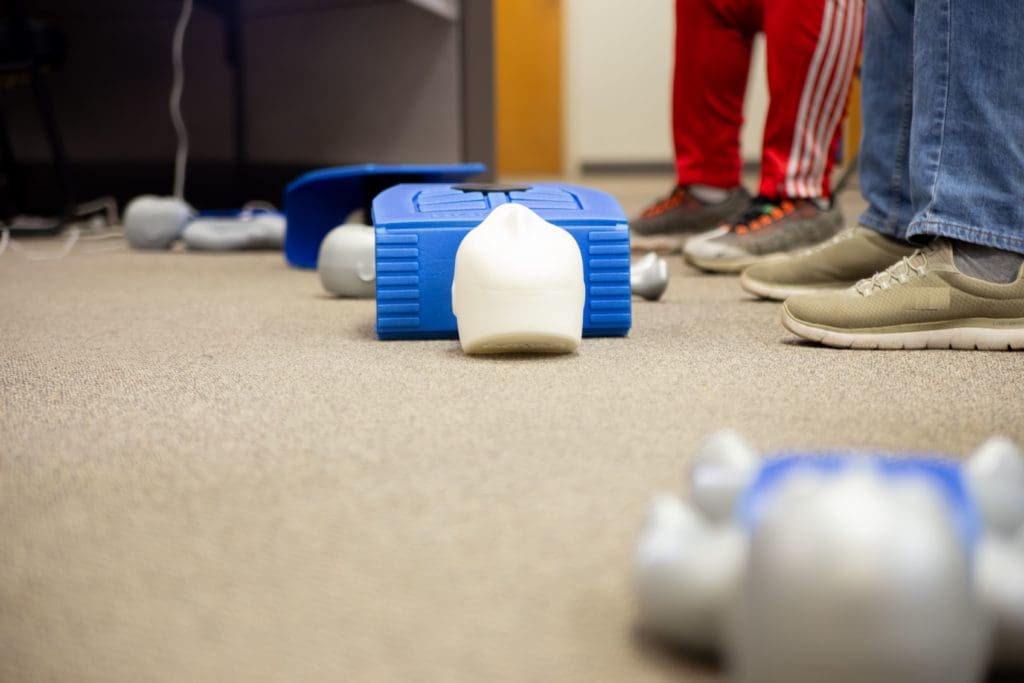
Basic torsos provide visible indicators for depth and rate. They are durable, cheap per learner, and great for repetition. Prestan models built their reputation on realistic chest resistance and clear visual feedback. If you need dozens of learners on the floor at once, these are the workhorses. Consumables are straightforward, and instructors can spot wrong technique from across the room because of the integrated light system.
Mid tier units add app connectivity for metrics and debrief. This group includes models with Bluetooth feedback, compression fraction readouts, and detailed logs. Many organizations standardize here because the software raises the ceiling for experienced learners while staying manageable in a crowded lab. The mobile apps increasingly offer French language options, but check model by model.
High-fidelity CPR manikins aim at advanced programs and quality improvement initiatives. They offer adjustable chest stiffness, realistic airway obstruction options, and sophisticated data capture that can tie into debriefing systems. Some integrate with defibrillator trainers and monitors to replicate code team dynamics. These units earn their keep when you run structured feedback cycles or need to publish improvement data. They can be overkill for mass certification events where set up time and throughput matter most.
When comparing Prestan CPR manikins Canada options against premium units from other brands, weigh the cost per learner hour. I have seen community colleges double their training volume by buying two dozen reliable torsos instead of a handful of advanced units. I have also watched an ICU team slash time to first shock in simulations because the high end software finally showed them how often they were pausing compressions in real time. The right choice depends on the outcomes, not the label.
Airway training: buy anatomy, not features you will not use
Airway training manikins Canada offerings range from simple heads for BVM seal practice to hyper realistic models that accept video laryngoscopes, supraglottic devices, and even surgical airways. Here, tactile fidelity in the mouth and throat matters more than a full body shell.
Several Canadian respiratory therapy programs learned this the hard way. They invested in whole body simulators to “cover everything,” but airway practice pinned them to the head and neck while the torso gathered dust. The programs later added dedicated heads with realistic tongue edema, dental obstruction, and cricoid landmarks. Learners improved faster because they could run 20 attempts in a row without rebooting a scenario computer.
For paramedic services, ruggedness and cleanability are critical. IPAC Canada guidance pushes programs to set clear cleaning protocols between learners. Heads with removable, dishwasher safe parts and sealed airways simplify compliance. If you teach in French or run mixed language cohorts, confirm that any embedded displays or apps can switch languages.
Full body simulators: powerful, pricey, and only worth it if you use them
High fidelity full body simulators are the showpieces. They breathe, talk, blink, bleed, and sync with monitors. They can justify their cost when you run complex interprofessional or code simulations with debriefing. Laerdal manikins Canada dominate many of these purchases because of their ecosystem of monitors and software, as well as faculty familiarity. Other vendors compete well on cost or specific features like trauma modules.
The trap is underuse. A common pattern in Canadian colleges is buying a premium mannequin, running three spectacular scenarios for accreditation, then leaving it on a cart for months because the one trained technician is offsite or because set up takes an hour. Hospitals do a bit better, but even there, I see ratios like 40 hours of downtime per eight hours of use in the first year.
To make a full body simulator pay for itself, you need trained operators, faculty time for scenario writing, and a maintenance plan that fits your calendar. You also need a room where cables and peripherals can live without constant teardown. If your buildings are shared or your lab is multipurpose, measure the fit and plan the workflow. If you cannot dedicate the time, buy more task trainers and smarter debrief tools instead.
The Canadian buying path, from scope to service
Here is a short, practical checklist many programs use to stay on track.
- Define five to seven learning outcomes, ranked by priority, and match each to a piece of equipment or feature set.
- Map annual learner volume to consumable costs, at both high and low enrollment scenarios, to see your true per learner cost.
- Confirm Canadian compliance and support: language options, CSA or cUL markings, domestic repair, and spare parts availability.
- Pressure test logistics by planning one offsite drill. If you cannot move it with your current staff or vehicle, reconsider.
- Set a service and refresh calendar before purchase, including firmware updates, battery replacements, and cleaning protocols.
Most vendors will gladly supply sample consumables, demo sessions, and references in your province. Use them. Ask a program similar to yours, ideally within your health region, how many hours they actually use their gear per month, how long repairs take, and which accessories sit in a closet. People will tell you the truth over a coffee that they will not write in a testimonial.
Brand notes without the hype
Brand names matter because ecosystems lock in. Laerdal manikins Canada integrate tightly with QCPR software, defib trainers, and standardized patient monitors. The upside is a smooth experience and a single support line. The downside is price and occasional nudges toward proprietary accessories. Programs that already have Laerdal defib trainers often find it natural to add compatible manikins and monitors.
Prestan CPR manikins Canada have become the default choice for mass training across community centers, Red Cross affiliates, and recreation departments. They balance durability with price and keep consumable costs low. If your priority is getting 100 learners competent in compressions in a day, this gear works without fuss.
For airway trainers, the field is wide. Some Canadian distributors carry multiple brands, from simple pediatric heads to advanced models with palpable cricothyroid membranes. Focus your evaluation on realism under your tools. Bring your laryngoscopes, blades, and supraglottic devices to the demo. If you run video laryngoscopy in practice, you need to confirm the view you will get in the manikin, not the brochure photo.
Budgeting with Canadian numbers
Every buyer wants hard numbers. Prices shift with exchange rates, discounts, and bundles, but there are durable ranges in Canadian dollars that help you plan.
For basic CPR torsos with visual feedback, expect roughly 200 to 500 per unit, often lower in multipacks. Replacement lungs and face shields run a few dollars per learner, which keeps large classes affordable.
For mid tier app connected CPR manikins, plan for 400 to 1,200 per unit depending on the features and bundles. Some apps are free, others charge for advanced analytics or multi learner dashboards. Verify French language support if needed.
For high-end CPR units with advanced metrics and integration to debrief systems, your range stretches from about 1,500 to 5,000 per manikin. These usually include Bluetooth, detailed compression and ventilation curves, and options to pair with AED trainers and monitors.
For airway heads, simple bag mask seal trainers can land in the 300 to 600 range. Advanced adult heads with realistic anatomy and exchangeable pathologies often fall between 1,000 and 3,500. Pediatric and neonatal models follow similar ranges, sometimes higher because of niche demand.
For full body high fidelity simulators, entry level systems start around 20,000 to 40,000, mid tier models around 50,000 to 80,000, and flagship platforms can exceed 100,000 once you include monitors, trauma modules, and software. Service contracts typically add a few thousand per year, sometimes more if on site support is included.
These ranges do not include taxes or shipping. Interprovincial freight can add a few hundred dollars to a big order and much more to remote communities. If your institution can purchase via a provincial standing agreement or a group purchasing organization, you may see 5 to 20 percent savings.
Software and data: debrief or it did not happen
Data is only useful if you debrief it promptly. Some programs buy advanced CPR metrics but never download the sessions. The instructor glances at lights and calls it a day. That leaves performance gains on the table.
Before you pay for analytics, build the five minute debrief into your lab flow. Project the dashboard, circle two wins and one miss, and assign a fast re run. The most effective Canadian hospital resuscitation teams I have worked with follow a predictable rhythm: run, debrief with visible metrics, re run. Short loops make better teams.
Check data privacy, especially if you store session logs in the cloud. Hospitals and colleges in Canada trend toward keeping learner performance data domestic or anonymized. Ask the vendor where data resides, what identifiers are stored, and how accounts are provisioned for bilingual teams.
Cleaning, infection control, and durability
IPAC Canada recommends clear, documented cleaning protocols in simulation spaces, even if you are not in a clinical area. Manikins that disassemble quickly, with parts that can be wiped or washed, save you hours. If your learners move between stations, factor in the time to swap lungs and wipe faces. The difference between five minutes and 15 minutes per station across a day of training is the difference between staying on schedule and spilling into overtime.
In cold provinces, plastics that get brittle in winter are a real risk. A Calgary fire department I worked with cracked two airway heads by storing them in the truck overnight in January. The fix was simple, keep sensitive gear in heated spaces and let equipment warm to room temperature before aggressive use. Ask vendors about temperature tolerances and transport recommendations.
Procurement and paperwork, the Canadian edition
Institutions often have strict procurement rules. Build time for legal review of license agreements and service terms, especially if software is involved. Make sure the quote specifies currency in CAD, shipping terms, delivery timelines, and any brokerage or customs charges if product ships from the United States. Under the Canada United States Mexico Agreement, many goods clear with minimal duties, but brokerage fees and taxes still apply.
On bilingual packaging and manuals, check your policy. Some organizations require French documentation for all learner facing materials, not just instructor manuals. If you train in Quebec, assume you will need French language software or a documented workaround.
Confirm warranty periods in writing. In practice, manikins often carry one to three year warranties, with parts and labor terms that vary by model. Accessories usually have shorter coverage. Ask about loaner units during repairs and typical turnaround times. A vendor that can ship you a loaner within Canada in 48 hours saves a course from cancellation.
Pilots pay for themselves
If your budget allows, pilot two options in parallel with real learners. A Toronto college ran two weeks of CPR labs with mixed Prestan torsos and a handful of premium Bluetooth units from another brand. They tracked pass rates, feedback quality, set up time, and tear down time. The numbers clobbered assumptions. The premium units produced cleaner debrief data, but set up and pairings added 20 minutes to every session. In the end, they bought mostly basic torsos, added a few app connected units for advanced learners, and invested the saved money in faculty development around debriefing.
Pilots also reveal support quirks. If one vendor answers emails in hours and ships a spare sensor overnight, that beats a flashier feature from a vendor that takes a week to reply.
Common pitfalls and how to dodge them
- Buying a feature you cannot staff, like a manikin that requires a dedicated operator in a lab that has no such role.
- Underestimating consumables, then rationing practice because you run out of lungs or masks mid semester.
- Forgetting bilingual needs until the day before course launch, only to discover the app has no French option.
- Ignoring service geography, then waiting weeks for a simple fix because the gear must cross the border.
- Skipping debrief planning, so you pay for analytics you never use.
Each of these has a simple countermeasure. Match features to staff time, order consumables at the start of term on a realistic forecast, validate language support in writing, prefer vendors with Canadian repair pathways, and design debrief into your timetable.
Putting it together: a few sample configurations
A municipal recreation department in Saskatchewan that certifies 600 lifeguards a year needs quantity and durability. They buy multipacks of basic torsos, add infant manikins for pediatric modules, and keep a small stock of spare lungs and faces. A pair of app connected units travels to advanced classes. AED trainers are shared across stations to save cost.
A paramedic service in Quebec City that runs monthly megacodes and quarterly airway labs builds around mid tier CPR units with solid data, a set of advanced airway heads that accept their video laryngoscopes, and one integrated full body simulator reserved for team training. Everything runs bilingual software. Service agreements are negotiated with a Canadian distributor, parts are stocked domestically, and the team keeps a laminated cleaning checklist on each cart.
A nursing faculty in British Columbia teaching fundamentals invests in a mix of task trainers. They buy wound care arms, injection pads, and mid fidelity patient monitors that present vital signs on a tablet, then add a single high fidelity simulator after a year of faculty development. They learn on the small stuff where learners spend most of their time, then graduate to big scenario work once staff can drive the technology with confidence.
Final advice from the field
Choose fewer tools and master them. A lab with four types of CPR manikins, two airway systems, and three monitor brands becomes an exercise in adapter hunting and charging cables. Standardize where you can, train your faculty deeply on the chosen platforms, and keep a written playbook that any instructor can pull off the shelf.
Insist on Canadian ready support. Whether you favor Prestan CPR manikins Canada for mass training or a Laerdal ecosystem for integrated scenarios, the differentiator over a five year horizon is not the spec sheet. It is how fast you can get back to teaching when a sensor dies, what it costs to keep students safe while sharing equipment, and whether your staff can run a scenario without a technician in the room.
Finally, measure use. Put a simple log in your lab, digital or paper, and track hours of use per device, consumables used, and any issues. After a semester, those numbers will tell you exactly what to buy next. The gear that earns its keep is not the flashiest. It is the equipment that quietly supports the repetitions where competence is built.