CPR Instructor Packages Canada: Streamlining Certification Courses
Running efficient, high quality CPR classes in Canada starts long before the first chest compression. The most successful instructors treat their gear like a mobile training program, not a crate of random supplies. A solid CPR instructor package, tuned for Canadian standards and realities, saves hours on setup, shores up learner confidence, and keeps your certification pass rates high across seasons and sites.
I have packed and repacked kits in parking lots from Nanaimo to Halifax and dragged manikins into community halls where the heat flickers and the Wi-Fi sputters. The details make the difference. If your manikins are compatible with your learning objectives, if your AED training equipment speaks French as readily as English, if your consumables are predictable to restock, the whole day flows. If not, you waste time troubleshooting, and your learners feel it.
This guide breaks down how to assemble CPR instructor packages Canada wide for reliability, compliance, and speed. It draws on field-tested choices plus the quirks that do not show up on vendor pages: which valves clog after five classes in a row, how to disinfect fast in winter when surfaces stay cold, and how to budget when you teach both urban BLS and rural blended courses.
What a complete package needs to accomplish
Instructors work under different programs and acronyms, but the goals look similar. You need to demonstrate safe technique, create hands-on practice for different learners, and verify skills against the standards of your certifying body, whether that is the Canadian Red Cross, the Heart and Stroke Foundation, Lifesaving Society, St. John Ambulance, or a provincial authority. In Ontario, for example, many employers look for WSIB-approved courses. For professional responders and healthcare settings, Basic Life Support expectations include two-rescuer sequences, bag-valve-mask coordination, and AED proficiency with team communication.
A practical CPR instructor package has to do more than cover the syllabus. It has to move. You shuttle between a school gym at 8 a.m., a dental clinic at lunch, and a warehouse classroom right before night shift. That means the kit must be portable, quick to sanitize, and durable enough for back-to-back sessions. If you teach in Quebec or New Brunswick, bilingual audio prompts and printed materials are not a nice-to-have, they are table stakes.
The backbone: CPR training manikins for Canada’s learning objectives
CPR training manikins Canada wide come in countless configurations. I sort them by three axes that correlate with real classroom needs: realism, feedback, and maintenance.
Entry level torsos with basic clickers are light, rarely break, and cost less. They can be ideal for Standard First Aid courses where you want throughput for large groups. Mid tier torsos with LED feedback for depth and rate, sometimes Bluetooth connected to a tablet app, help new learners find a rhythm. High fidelity models with chest recoil sensors, obstruction simulation, and rate-timing feedback create measurable improvement for BLS classes and re-certifications. Those upgrade paths are not just about bells and whistles. The feedback closes the gap when learners are anxious or when instructors cannot provide one-on-one correction to twelve people at once.
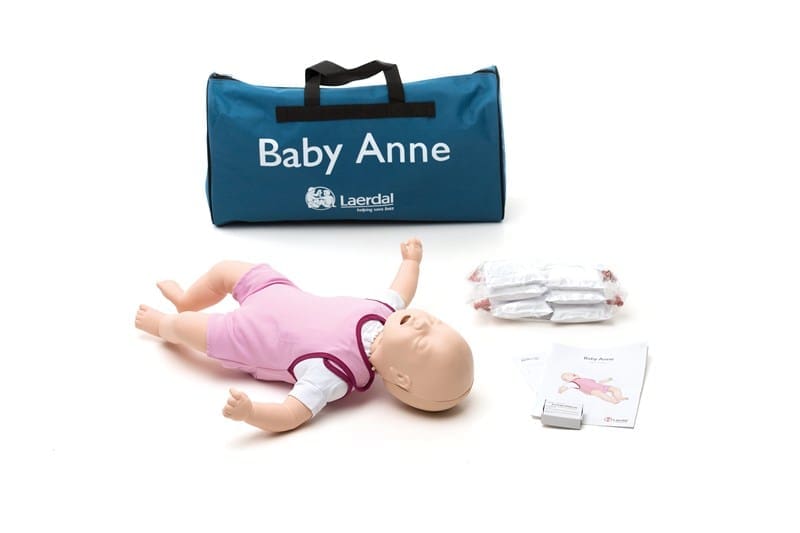
For child and infant skills, your choice matters even more. Some infant models look convincing but do not reward correct head tilt or proper two-finger compressions. I have seen learners ace an adult sequence then slip on pediatric airway positioning because the model gave no cues. Invest in at least two infant manikins with realistic chest rise and visible obstruction practice. If you teach to workplaces with family-facing staff, such as aquatics centres or community childcare programs, you will use those infants constantly.
Maintenance is where the cheaper units can get expensive. Lung bags and valves vary. Some brands require proprietary lungs that cost more and ship slowly in winter. I track lungs used per learner. A conservative baseline is one lung per class per manikin, more if local policy demands. Select a line where lungs and face shields are easy to order from Canadian distributors. Delays are common around holidays when carriers slow, so buffer stock by at least one month.
In terms of numbers, a portable setup for a 12 person class runs smoothly with 4 adult torsos, 2 infants, and a choking trainer. If you teach teams that include responders, add one child manikin or an adjustable adult that simulates smaller chests to practice pediatric compression depth. This ratio lets learners rotate every 2 to 3 minutes, which mirrors recommended practice cycles and prevents skills from getting stale.
AED training equipment Canada: details that prevent classroom friction
AED trainers seem simple until they are not. The first snag is adhesive pads. If the pads curl, you waste time taping them on. If the instructor disc pops off repeatedly, new learners think they are doing something wrong. Look for pads rated to last 50 to 100 applications and stock at least two spare pairs per device. Winter classrooms can be dry and cold, which makes adhesives finicky. Warm the pads in your hand before class and wipe the manikin chest with a dry cloth to remove sanitizer residue. That small habit keeps the training flow intact.
The second snag is prompts. In Canada, bilingual audio matters. If you cross provincial lines, buy AED training equipment with English and French prompts, selectable with one button. Instructors in Montreal and Moncton tell me they switch mid-class so everyone hears commands in their preferred language. That inclusivity speeds learning because more learners keep their eyes on the manikin, not the instructor.
Match your trainer to the real AED models your clients deploy. Warehouses in the Prairies may standardize on a device that differs from what a BC dental clinic uses. If you cannot mirror the exact model, at least align pad placement and shock advisory timings. Adult and pediatric pad placement must be crystal clear. Stock pediatric training pads even if you only run them for a few minutes each class. The confidence bump for learners with children at home is worth the added cost.
Be aware of Canadian compliance boundaries. Real AEDs are medical devices regulated by Health Canada. Trainers are not, but it is still good practice to source from reputable Canadian suppliers with clear service channels. Shipping lithium batteries across provinces involves carrier rules that vendors already navigate, which is one reason to lean on domestic distributors.
Building the kit: an instructor’s checklist that actually saves time
Here is the compact list I use when planning CPR instructor packages Canada wide. It captures what usually gets forgotten in the rush to load the van.
- Manikins sized for your course mix: adult torsos with depth feedback, at least two infants with realistic airway response, and a choking trainer
- AED training equipment with bilingual prompts, long life pads, and spare batteries or charging cables
- CPR and first aid training kits for adjunct skills: barrier masks, BVMs with pediatric masks, trainer epinephrine auto-injectors, inhaler spacers, splints, and a CAT or SOF-T style trainer tourniquet
- Cleaning and consumables that match your policies: medical-grade wipes compatible with your manikins, nitrile gloves, replacement lungs and valves, and face shields in a labeled pouch
- Logistics gear that reduces friction: a rolling hard case, extension cords, painter’s tape for floor markers, hand sanitizer, and a compact Bluetooth speaker if your manikin apps rely on audio cues
Notice what is not on that list: extra gadgets that look impressive but sit in the bag. Weighted CPR feedback vests or unusual airway devices have a place, but only if they map cleanly to your program objectives.
Integrating first aid: where CPR and first aid training kits earn their keep
Most Canadian workplaces ask for combined CPR and Standard First Aid. That calls for gear beyond compressions and defibrillation. The best CPR and first aid training kits cover bleeding control, splinting, shock management, and medical emergencies like anaphylaxis and asthma.
I carry trainer auto-injectors that match common brands and generic formats because learners have to practice muscle memory, not just hear a lecture. The same goes for trainer inhalers with spacers. Add a soft SAM style splint, elastic wraps, and triangular bandages that can be simulation software Canada laundered. For bleeding control, include a windlass trainer tourniquet and hemostatic dressing trainers if your program permits them. Some jurisdictions encourage basic wound packing demonstrations even if certification does not require it. My rule is to align to the tightest standard I teach so my baseline kit always works.
Cleaning and infection control that works in a Canadian winter
Disinfecting in cold, dry rooms is tricky. Many wipes specify a wet contact time, usually 2 to 5 minutes. In January, surfaces stay cold and wet longer, which slows turnover. I keep two sets of manikins for marathon days, so one set can dry while the next class starts. If inventory is tight, use a fan to move air over the torsos. Select wipes and sprays that your manikin manufacturer lists as compatible, or you will see cracked skin and peeling over time. Cheap alcohol sprays evaporate fast, but they can degrade plastic valves and face plates.
Barrier devices still matter. For mouth-to-mouth practice, decide your policy upfront. Many instructors in Canada now teach mouth-to-mask with one-way valves by default. That still means learners need to see what an effective seal looks like, including on an infant. Keep a small supply of individual face shields for those who request direct practice and handle disposal discreetly. When you set expectations clearly at the start of class, you avoid awkward mid-session debates.
Packaging for travel: cases, weight, and weather
A good instructor package moves like luggage. I prefer a rolling hard case for manikins and a soft duffel for consumables and AED trainers. Hard cases stack and protect gear in winter slush and salty parking lots. Soft bags fit odd corners in a hatchback. Set weight limits for yourself. A case over 23 kg looks fine until you lift it into a trunk alone after sunset.
Power is another travel factor. Many feedback manikins and AED trainers run on AA or C batteries, others charge over USB. Standardize where you can. Choosing devices that share the same battery type saves time. I put a small zip pouch with fresh batteries, a compact charger, and spare cables in every case. Mark your chargers with bright tape. I have seen too many go missing in community centres with shared outlets.
Digital tools: feedback apps, rosters, and reporting
Data helps, and not only for high fidelity simulations. Even basic Bluetooth feedback that shows depth and rate across a group can nudge a borderline learner to competency. If you use an app, test it on your own phone and a backup tablet. Some gymnasiums still have dead zones. Download any required packages ahead of time and bring a local copy of your skill sheets.
Certificates and rosters run smoother when learners pre-register and complete theory online. Blended delivery is common now, but it shifts the instructor burden to pre-class verification. Plan a five minute buffer for troubleshooting expired links or missing accounts. For organizations that need records that align with CSA Z1210 or provincial OHS regulations, include your assessment criteria in your after-class summary. Clear defensible records help when audits land months later.
Standards and the Canadian landscape
Instructors often juggle multiple certification programs. The practical differences matter when building your package. Heart and Stroke BLS tends to emphasize high performance team CPR, two-rescuer cycles, and airway adjuncts. Canadian Red Cross CPR and first aid courses focus on bystander skills, scene safety, and integration with first aid sequences. Lifesaving Society programs add aquatic rescue context in some tracks. Align your manikin count and feedback level to the strictest course you run in a given day so you do not shortchange practice time.
Employers in Canada look to provincial rules for due diligence. WSIB in Ontario, for example, approves training providers for workplace first aid. Alberta and BC have their own OHS expectations. While AED trainers are not regulated medical devices, real AEDs installed in workplaces must meet Health Canada requirements and maintenance schedules. Including a slide or live demo that shows how to check a real AED’s status indicator and pad expiry dates connects the training room to the real world. When possible, ask the client to bring their actual AED to class so learners match prompts, pad locations, and cabinet alarms.
Sourcing emergency training equipment Canada wide
Buying local is not just patriotic, it is practical. Canadian distributors handle warranty returns faster, know shipping realities between provinces, and often stock bilingual materials. When supply chains tightened, instructors who relied solely on cross-border shipments waited weeks for AED trainer pads. Vendors with warehouses in Ontario or Quebec usually deliver within 2 to 5 business days. Western Canadian distributors can cut delivery times for BC and Prairie instructors that would otherwise pay for air freight.
Look for suppliers who bundle CPR instructor packages Canada tailored to your course load. Starter bundles for 8 to 12 learners typically include three adult torsos, one infant, one AED trainer, and a small pack of consumables. Growth bundles add another adult and infant, a second AED trainer, and a choking trainer. Enterprise setups, meant for colleges or large training agencies, include 6 to 12 adult manikins, 4 infants, multiple AED trainers with pediatric pads, and enough lungs and valves for a quarter of the year. Package pricing usually rewards you with a 10 to 20 percent discount versus piecemeal buying.
Budgeting, ROI, and the quiet math of durability
Let’s talk numbers, rounded for Canadian pricing. A reliable adult torso with LED feedback often lands between 350 and 750 CAD. Infants come in around 280 to 600 CAD. AED trainers with bilingual prompts and two sets of pads run 200 to 500 CAD each. A full 12 learner package that feels professional, not bare bones, typically totals 3,000 to 6,000 CAD before tax, depending on feedback tech and brand. Consumables and cleaning for a busy instructor average 1 to 3 CAD per learner for lungs, wipes, and shields. If your classes seat 12 and you teach twice a week, your capital recoups over one to two seasons, assuming standard course fees.
Durability beats features that look fancy on a spec sheet. Hinges, valves, and chest plates take real abuse. I have retired feedback-rich torsos after two years because their skin tore at the sternum, while a plainer unit kept going past year four with refreshed lungs and springs. When comparing models, ask for spare part pricing. If replacement chests or skins are available at a fair cost, you can extend life significantly and keep consistency across your fleet.
A field note: two instructors, two environments
A colleague in northern Ontario drives three hours each way to reach remote communities. Her most valuable kit features are rugged shells, battery life that spans a full day without wall power, and a case that seals against blowing snow while she unloads. She replaced her slickest Bluetooth manikins with a more basic line after repeated issues with charging in unheated spaces. Her learners still hit competency, and her setup time shrank by ten minutes per class because there were fewer cables.
Contrast that with a college program in the Lower Mainland. They run back-to-back BLS sections, sixty students a day. Their investment in app connected manikins paid off because instructors can watch real-time dashboards and split the room to coach the lowest performers. They also negotiated bulk consumable pricing with a Canadian distributor and cut their per-learner costs in half. Same country, very different package optimization.
Accessibility, equity, and cultural context
Not every learner walks in confident about touching a manikin. Some have cultural hesitations, others worry about disease transmission or modesty. Build space for these realities in your package and your plan. Keep extra face shields at hand and verbalize options early. Bilingual labeling on AED trainers, simple French and English cue cards, and diverse skin tone manikin faces all help students see themselves in the training.
When working with Indigenous communities or remote worksites, ask ahead about local priorities. For example, including opioid overdose response content with pocket mask and BVM practice can be vital. While naloxone trainers fall outside standard CPR packages, a compact trainer kit fits easily in your case and signals respect for the community’s needs.
Streamlining the day: a short routine that prevents most hiccups
The best equipment still needs a reliable rhythm. This is the five step routine I teach new instructors. It keeps classes on track and reduces last minute scrambles.
- Stage zones before learners arrive: compressions here, AED there, first aid in a corner with a mat
- Power and test: turn on each manikin and AED trainer, run a 30 second check for lights, prompts, and pad adhesion
- Count consumables: lay out lungs, valves, wipes, and gloves visibly so you spot shortfalls fast
- Brief the room: set expectations on barriers, glove use, bilingual prompts, and cleanup
- Debrief and reset: swap lungs, wipe down, pack cords before talking one-on-one with learners who need extra coaching
This takes ten minutes if you have done it a few times, fifteen if your venue is new. It sounds basic, but it is the difference between an instructor who floats and one who chases gear all morning.
Common snags and practical fixes
Pads not sticking is the top complaint with AED training equipment Canada wide in winter. Warm them in your palm, wipe the manikin, and swap out an older set sooner than you think. Adhesives degrade long before they look spent.
Manikin spring fatigue shows up as compressions that feel too easy. Track classroom hours per torso. Many manufacturers suggest checks every 20 to 30 hours of use. If your students hit depth without effort, replace or adjust springs so they build correct muscle memory.
Audio prompts too quiet in a big room can derail an AED station. Even if your trainer has decent volume, a cheap portable speaker helps. Keep it at low volume to avoid turning practice into theatre, but loud enough to carry across a spaced out group.
Rosters and certificates are another pain point. Bring a printed copy of your class list. It saves you when sign-ins fail or someone’s phone dies with the confirmation email on it. After class, photograph your paper assessments and upload when you have signal. That tiny habit has saved me more headaches than any app feature.
Choosing vendors and service partners
A good supplier is part of your package. Favor those who pick up the phone, carry spare parts, and understand program differences across Canada. Ask how quickly they ship lungs and pads, how they handle returns in January when carriers are backed up, and whether they can pre-assemble kits for bilingual delivery.
Evaluate warranty terms with realism. A two year warranty on electronics is nice, but what you really need is next week’s replacement for a failed charger and a fair price on a new chest skin. I also ask for a demo period. Medical simulation equipment Canada Using manikins for a week of real classes tells you more than any brochure.
If you plan to grow, choose lines that scale. Mixing brands makes your inventory messy. When everything takes a different lung, you spend more time sorting parts than coaching. Standardize to two families across your fleet if you can, one basic and one advanced.
When to upgrade and when to hold
Upgrade when your classes change, not when the catalog refreshes. If you land a healthcare contract that demands performance feedback, step up your manikins and AED trainers. If your bread and butter remains workplace CPR A or CPR C with Standard First Aid, your gains come more from quantity and durability than new features.
Hold off when a feature solves a problem you do not have. Some manikins now gamify compressions. That helps in large cohorts, less so in a ten person evening course once a month. Your learners need clear feedback, time on task, and an instructor who can watch without fumbling for gear.
Bringing it all together
Well built CPR instructor packages Canada centered reduce friction you never have to explain to students. They also respect the realities of our geography, climate, and bilingual context. The right mix of CPR training manikins Canada sourced, reliable AED training equipment Canada compliant and bilingual, and thoughtful CPR and first aid training kits anchors your courses so you can focus on coaching.
If you trim decisions to their essentials, you tend to get them right. Buy what maps cleanly to your objectives and environment. Choose emergency training equipment Canada distributors who support you year round, not just at checkout. Keep consumables predictable, storage smart, and routines tight. Your learners will notice the calm, your pass rates will reflect it, and your evenings will be spent planning the next contract, not hunting for missing valves.