Durable CPR Training Manikins Canada Uses for Realistic Practice
Training that sticks starts with equipment that feels real, holds up to heavy use, and supports clear feedback. Whether you run a national training agency, a municipal fire service, or a small community program in Northern Ontario, the right CPR training manikins can make the difference between rote drills and skills that show up under pressure. Over the past decade I have rotated hundreds of learners through manikins in classrooms, arenas, work camps, and ambulance bays across Canada. The patterns are consistent. Durable bodies reduce downtime, realistic resistance builds muscle memory, and reliable feedback systems keep instructors focused on coaching instead of troubleshooting.
This guide looks at what sets durable manikins apart, how to match models to your setting, and what it actually costs to keep a program running in Canada. It also touches on AED training equipment Canada based providers rely on, and where CPR instructor packages Canada wide can save time and money without compromising realism.
Why realism and durability go hand in hand
Students remember the feel of compressions more than they remember words on a slide. When chest recoil mimics a real sternum and the manikin does not shift on the floor, trainees settle into a rhythm their bodies can reproduce months later. Conversely, soft torsos, broken springs, or slippery skins lead students to chase numbers without anchoring kinesthetic memory.
Durability shapes the learning environment too. If a unit tears mid-course or a feedback screen freezes, momentum breaks and confidence drops. In remote or high-throughput programs, a single failure can derail an entire day. Durable gear is not just tougher plastic. It is tested springs, sealed airway paths that tolerate repeated cleaning, screw threads that do not strip after the tenth head replacement, and electronics that handle cold van rides in February.
The Canadian training landscape
Canada’s training ecosystem is diverse. City centres pack evening classes run by private providers. Mining and forestry sites train entire crews on compressed schedules. wholesale CPR supplier Canada Secondary schools and post-secondary health programs need large fleets that students can set up and put away without constant instructor oversight. Fire departments run scenario days that move from classroom floors to wet concrete and gravel. Northern communities face dry winter air that cracks PVC and travel that rewards compact, stackable gear.
Regulatory frameworks matter. Organizations align with workplace first aid standards managed provincially, along with national guidelines from groups that follow the International Liaison Committee on Resuscitation. Many employers specify blended learning, so practice time must hit performance metrics fast. That is where realistic resistance curves and instant feedback from sensors prove their worth.
What makes a manikin truly durable
The strongest indicator of durability is not marketing copy, it is the number of training cycles a unit handles before the first repair. Over years of use, the best adult torsos manage between 3,000 and 5,000 compression sets before spring or foam refresh, assuming proper technique and reasonable storage. Infants tend to last longer between parts due to lower compression forces, though airway valves need closer attention because of small passages.
Several design details correlate with long life:
- Chassis and skin pairing. A rigid internal frame keeps geometry stable so springs load correctly. Replaceable outer skins reduce wear points and protect sensors.
- Spring or piston systems built for rebound. Springs should return to the same height every time. Cheap pistons stick when dust or disinfectant residue enters the cylinder.
- Quick-change consumables. Airways, face shields, lungs, and external chest skins that swap in under 60 seconds cut downtime and prevent operators from forcing parts.
- Sensor placement and protection. Sensors that sit under a replaceable plate or behind a sealed membrane tend to survive classroom abuse. Exposed wiring near the sternum does not.
- Surface friction. Bodies that grip carpet and gym floors stay in place under strong compressions. Smooth bottoms slide and force students into awkward stances.
Materials matter. Thermoplastic elastomers handle cold better than brittle PVC. Silicone blends feel realistic but can tear if dragged across rough concrete. Nylon-reinforced hinge points at the head and shoulders last longer than friction-only designs. If you train in a mobile program, evaluate latches, handles, and case fit. A cracked latch is a surprisingly common failure that sidelines otherwise healthy gear.
Feedback options that actually improve performance
Some programs still teach by ear and eye alone. That works with experienced instructors and small classes, but feedback tools shorten the path for novice learners and allow a single instructor to run multiple lanes safely. The market divides into three tiers.
Entry level uses clickers or simple LED lights tied to compression depth and rate. They help a student lock into 100 to 120 compressions per minute and aim for 5 to 6 centimetres of depth on adult torsos. They do not measure recoil or hand position.
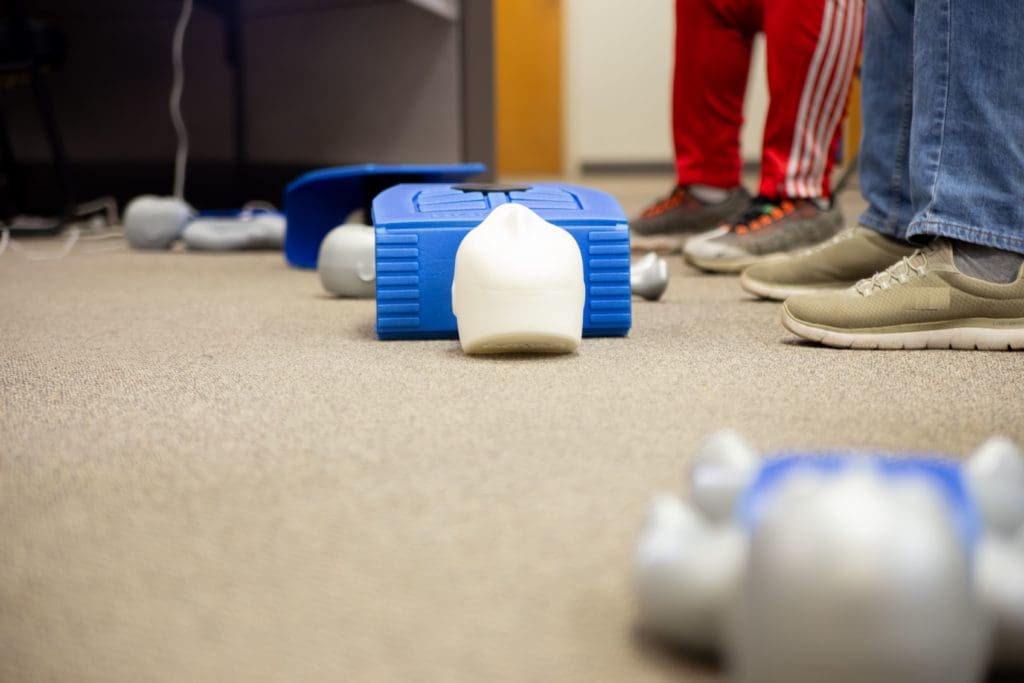
Mid tier adds resistance curves, recoil sensors, and sometimes ventilation feedback through disposable lungs with one-way valves. Bluetooth or wired displays show rate, depth, recoil percentage, and hands-off time. For blended courses where practice windows are tight, this tier hits a sweet spot in cost and capability.
Advanced systems incorporate multi-point sensors, sometimes with torso twist detection and precise hand placement maps. They pair with apps that log each student’s performance and export reports. In a college lab or a corporate compliance setting where documentation matters, the reporting alone can justify the price.
If you train outdoors, pick displays that are readable in full sun. If you run multi-day courses in hotel ballrooms, check battery life under continuous use. Many packs claim 8 to 12 hours, but Bluetooth polling shortens that window. Have cabled options or spare packs ready for exam days.
Matching manikin types to audiences
Adult torsos are obvious. The nuance sits in infant and child models. Infant airways must be sensitive enough to teach visible chest rise without students overventilating. Many instructors carry two infant types, one with light resistance for basics and a second that requires a firmer seal for advanced students. Pediatric torsos deserve attention to sternum flexibility. If the chest feels like a toy, learners fail to appreciate the line between effective compressions and injury.
For team training, full body adult manikins help with realistic positioning and safe drags. They are heavier, consume more storage, and are not necessary for every class. Consider one or two per site for scenario days rather than building your entire fleet from them.
Venues with limited storage lean toward stackable torsos. A set of six that nests into a rolling case saves time and walls. Make sure cases have locking wheels if you teach in buildings with sloped floors, a common surprise in older community centres.
The role of AED training equipment in Canadian programs
CPR without defibrillation misses the larger picture. AED training equipment Canada based programs use must reflect the devices installed in workplaces and public spaces. That means realistic electrode size and stickiness, clear voice prompts, and pad placement that tolerates dozens of cycles per day.
Trainers that mirror the most common public access AEDs reduce confusion during actual emergencies. If your community hosts mixed fleets, carry universal pads with torso landmarks printed directly on the manikin. Magnetic or snap connectors help pads survive repeated placement without losing adhesion. If you rely on suction, stock extra adhesive sheets, especially in colder rooms where tack drops.
Bilingual prompts are not optional in many provinces. Verify whether your trainer toggles between English and French in hardware or via app. Hard toggles are more reliable when loaned to partner agencies or used in schools. In Quebec and federal settings, bilingual labeling on chargers, pads, and storage cases reduces audit issues.
The practicalities of cleaning and infection control
You will not keep a program running if cleaning protocols slow you to a crawl. Choose systems that separate respiratory paths from compression mechanics. Disposable lungs and face shields should drop in quickly and seal without fiddly tape. Valves that disassemble without tools encourage consistent decontamination.
Hospital grade wipes vary in effect on plastics. Quaternary ammonium compounds are common and effective, but they dry out some elastomers if overused. Alcohol heavy wipes cut residue but can cloud gloss finishes. Most manufacturers list compatible products. In practice, testing a wipe on a hidden patch before switching brand saves skins. If you train daily, rotate manikins to allow full drying. Damp crevices shorten sensor life.
In winter, carry a small hygrometer. Extremely dry rooms raise static that confuses some Bluetooth chips. Simple fixes like a portable humidifier near the gear table can stabilize connections.
Total cost of ownership, not just sticker price
It is tempting to chase low upfront costs. Over three to five years, consumables and repairs dominate. A realistic model:
- Entry tier adult toros: 6 units at $300 to $500 each, $1 to $3 per learner for lungs and shields, plus occasional spring kits. Expect $3,000 to $4,500 upfront and around $400 to $800 per year in parts for a 500 learner program.
- Mid tier feedback torsos: 6 units at $600 to $1,200 each depending on sensors and app, consumables similar to entry level. Upfront $3,600 to $7,200. Annual parts around $600 to $1,000. Batteries add another $100 to $200 per year if you cycle them properly.
- Advanced data logging systems: 6 units at $1,500 to $3,000 each. Upfront $9,000 to $18,000, usually with lower consumables due to sealed airways, but software subscriptions can run $200 to $500 per year depending on features.
Infant manikins run $150 to $800 apiece across tiers. AED trainers vary wildly. Workhorse units are $250 to $600. Models that imitate specific brands can push above $1,000, especially if they include multi-language packs and spare pad sets.
Shipping and duty can bite if you import directly. Many Canadian distributors keep stock and can turn orders around within a week. If your training calendar is tight, the stability of local supply chains beats a small price cut from overseas.
Instructor packages and full kits that make sense
Well built CPR instructor packages Canada suppliers offer can streamline course prep. The best bundles combine adult and infant manikins, an AED trainer with spare pads, a pump for lungs, and a rolling case that fits in a hatchback. Look for packages that include a small field repair kit: extra chest springs, airway valves, screws, and a long handled Phillips driver that reaches head hinge plates.
For community classes and temporary sites, CPR and first aid training kits that couple manikins with soft splints, triangular bandages, and EpiPen trainers help instructors build realistic scenarios without hauling a separate crate. Verify expiry dates on adjuncts like barrier masks and adhesive pads. Some kits sit on shelves until a new instructor opens them months later. A quick monthly check prevents surprises.
Buying for specific environments
Urban classrooms with high throughput need gear that cools quickly between sessions. Dense foams trap heat and moisture, which slows cleaning. Models with vented torsos or removable backs speed turnover.
Work camps and industrial sites benefit from ruggedized skins that tolerate boots and grit. Choose darker colours that hide scuffs if appearance matters to your client. Bright white torsos look clean on day one and tired by month three.
Schools and youth programs need light bodies students can carry safely in pairs. Build ownership by assigning each team a named manikin for the term. Students treat named equipment better, which extends life.
Rural and Northern programs have travel as the limiting factor. Nested torsos and fold-flat infants in hard cases survive bumpy flights and winter roads. Ask for replacement latch sets when you buy. Keeping two spares in the case cuts a two-week part wait into a two-minute fix.
A simple selection checklist
- Verify compression depth and recoil feel match guideline targets for your audience.
- Confirm consumables swap quickly without tools and are readily available in Canada.
- Test wireless performance in your actual rooms and check that displays are readable in bright light.
- Inspect chassis design for protected sensors, sealed airways, and reinforced hinge points.
- Evaluate storage, transport, and cleaning workflows with your team before you commit.
Maintenance that keeps fleets in service
A thoughtful maintenance rhythm avoids drama. Instructors should make small checks daily and deeper checks monthly. Rolling programs benefit from simple habits.
- Before class: confirm battery levels, inspect chest skins for tears, and test one full compression cycle to feel for binding.
- After class: remove lungs, wipe down contact surfaces, and crack open torsos to air dry if moisture is present.
- Weekly: check head hinge screws for play, clean sensor contacts if accessible, and rotate units so the same body does not carry every heavy student.
- Monthly: measure spring height against spec, replace any that sag, and update firmware or app versions on feedback models.
- Seasonally: inspect cases, wheels, and latches, and replace adhesives and filters that age out in storage.
Keep a short log taped inside each case with date, issue, and fix. A five second note can reveal patterns, like one unit that eats springs faster due to a misaligned plate.
Where emergency training equipment intersects with CPR practice
CPR rarely stands alone. Emergency training equipment Canada programs lean on, from airway adjunct trainers to bleeding control kits, enrich sessions and prepare teams to integrate skills in sequence. Pairing a realistic adult torso with a bleeding control task at the same station simulates the messy decision making responders face. That said, multi-skill stations amplify wear. Protect compression surfaces with thin, washable overlays when using moulage or fake blood, and keep fluids far from sensor ports.
For blended first aid and CPR courses, consider floor plans that separate ventilation practice from compression stations. That reduces cross contamination and speeds turnover. It also lets you tailor coaching, since many learners master compressions quickly but need more time on mask seals and gentle infant breaths.
Troubleshooting common issues
Every instructor encounters a few repeat problems. Students compress at the xiphoid rather than the sternum, which can tear thin skins faster. Clear sternum landmarks on the torso help. Some models include subtle nipple lines and sternal notches that guide hand placement without distracting details.
Feedback units sometimes drift on depth calibration. If a unit begins flagging shallow compressions across a class with multiple instructors confirming good depth by feel, recalibrate on a hard, known flat surface. Rugs and mats can compress under load and confuse sensors.
Sticky valves on infant lungs often trace back to dried disinfectant residue. Rinsing with warm water and letting parts air dry fully solves most of it. If the valve is permanently stiff, do not force it. Keep a small envelope of spares in each infant case.
AED pads that lose tack in winter respond well to a brief warm up in a pocket. Cold adhesive behaves like plastic. Some trainers offer winter-grade pads, which cost more but save time in rink or arena settings.
Data, documentation, and privacy
Advanced manikins can log student performance and export records. In regulated workplaces and academic settings, that data supports quality improvement. In Canada, be mindful of privacy rules. If you store identifiable data off site or in the cloud, confirm where servers sit and what controls are in place. Many programs anonymize data by default and keep names offline.
Useful metrics to trend over time include average compression depth, recoil percentage, hands-off time, and ventilation volume. Outliers reveal training gaps. If one site consistently shows shallow depth, check room surfaces. Soft mats hide a lot of sins.
Environmental considerations and end of life
Durability has a footprint. Fewer replacements mean less waste, but you will eventually retire parts. Some manufacturers accept skins and electronics for recycling. Springs and metal frames go through standard scrap streams. If your institution has a green procurement policy, ask about take-back programs before you buy.
Battery choices matter. Rechargeables reduce waste and running costs, but they require care. Store at partial charge when idle for long periods. Extreme cold in vans shortens lifespan. A simple insulated pouch helps in January.
Anecdotes from the field
One winter in Saskatchewan, a community rink booked a full day of CPR with AED training. The room temperature hovered around 10 degrees Celsius. Our adhesive AED trainer pads would not stick to the torsos. We warmed them in mittens between stations and rotated sets every 15 minutes. The following season we carried two pad types and small chemical hand warmers. Problem solved.
A mining site in Northern Ontario ran back-to-back shifts with limited instructor time. We deployed mid tier feedback torsos and posted a large screen that mirrored each lane’s metrics. Teams naturally competed to hit 95 percent recoil and consistent depth. Evaluation scores improved, but what mattered was hearing later that a worker initiated compressions confidently on a colleague during transport to the surface. He remembered the feel of the spring and the rhythm from the display, not the words we said.
In a college program, advanced manikins with hand placement mapping uncovered a common error. Students leaned left, likely mirroring the instructor’s demonstration position. Simple cueing and floor tape corrected the stance. Without the map, we would have missed it.
Sourcing and support in Canada
Local support often beats a slight discount. Canadian distributors who stock parts and offer loaner units keep fleets in service. If you run multiple sites, negotiate for a spare parts kit and priority shipping in your contract. Ask about bilingual documentation and labels. It is a small detail that eases onboarding of new instructors across provinces.
When comparing quotes, look past unit cost to delivery time, warranty terms, and turnaround on repairs. A twelve month warranty is standard on electronics, longer on mechanical parts. Clarify whether heavy classroom use affects coverage. Most vendors honour warranty claims for training environments, but written confirmation avoids friction.
Bringing it all together
Durable CPR training manikins Canada depends on combine resilient mechanics with lifelike feedback. They accept rough handling, clean up fast, and keep instructors focused on coaching. Pair them with AED training equipment Canada learners will actually encounter, and wrap them into CPR instructor packages Canada suppliers can support with parts, consumables, and practical cases. Round out your program with CPR and first aid training kits that let you shift from skill drills to scenarios without overcomplicating logistics.
A strong program earns its reputation one class at a time. When the equipment feels right and works every time, learners trust the process, instructors spend energy where it counts, and the skills transfer when it matters. That is the point of all this effort, and it is the standard durable gear helps you meet.