Top 10 Medical Simulation Equipment Suppliers in Canada for 2026
Medical simulation has grown from a specialist niche into the backbone of clinical education across Canada. Nursing programs rely on realistic vitals and airway response to graduate safe beginners. Paramedic services use rugged CPR torsos to keep compressions sharp between shifts. Hospitals expect scenario fidelity that pushes teams to the edge of their competence, then lets them try again without harming a patient. When you buy from the right supplier, educators get reliable gear, fast parts, and someone who answers the phone when a manikin will not boot five minutes before an OSCE.
This guide focuses on ten suppliers Canadians lean on in 2026, why they matter, and how to choose among them. I spend part of each year helping programs standardize manikins, replace tired task trainers, and plan debrief spaces. The names below come up again and again in purchasing meetings and post-simulation debriefs where we trade stories about what broke, what saved the day, and who shipped the missing airway lung bag overnight.
What “top supplier” really means in Canada
A strong supplier for a Canadian program blends three things. First, a catalog that fits local training needs, from High-fidelity CPR manikins to neonatal task trainers. Second, a viable Canadian route for shipping, warranty, and repair, ideally with bilingual documentation. Third, continuity of support, which often makes the difference between a manikin that lasts 10 years and one that spends half its life waiting for parts at a border crossing. Keep those three filters in mind as you weigh the options below.
Laerdal Medical Canada
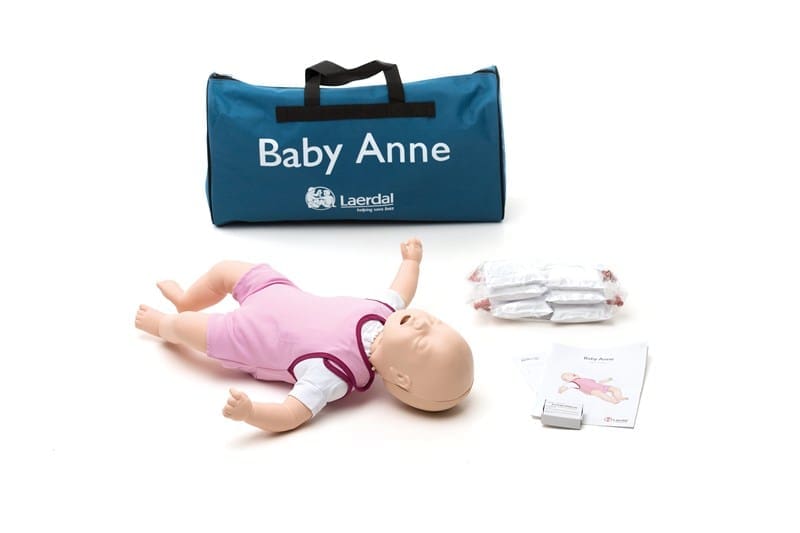
If your simulation lab runs a full spectrum of scenarios, you already know Laerdal. The company’s Canadian arm supports a deep range that includes the Resusci series for compression feedback, Nursing Anne and Nursing Kelly for foundational skills, SimJunior and Premature Anne for pediatrics, and SimMan for advanced team training. In practice, Laerdal manikins Canada buyers cite two strengths: consistent sensor accuracy for CPR feedback, and robust, field-tested bodies that tolerate daily class wear.
Laerdal’s service footprint matters for uptime. When a faculty member in Calgary needed a replacement airway assembly during a mass-casualty drill week, Laerdal arranged a loaner part within 48 hours and swapped the full unit under warranty the following month. That kind of support often justifies Laerdal’s price premium in budget reviews. Software maintenance is not an afterthought here either. Their monitor and scenario editors receive stable updates, and instructors generally adapt quickly after a single in-service day.
One caution, particularly for smaller programs: configuration creep. With add-ons for ultrasound, trauma modules, and virtual monitors, it is easy to overbuy. A clear training plan will keep you from paying for bells you will not ring.
CAE Healthcare
CAE is a Canadian success story with a healthcare division shaped by aviation-level simulation. Even entry technicians will notice the difference the first time they power up a CAE monitor and spool through a complex arrhythmia cascade. The mannequins in the Lucina, Apollo, and Ares families deliver physiologic responses tied closely to interventions, and the instructor controls are efficient once you learn the logic. For centers that run high-acuity scenarios, CAE’s linking of pharmacology, vitals, and dynamic airway behavior makes debriefs more meaningful.
What stands out in Canada is CAE’s mixed hardware and software heritage. Programs that pair CAE manikins with their LearningSpace or Maestro platforms can centralize scenario storage, run synchronized multi-room sessions, and harvest performance data without extra middleware. Technical service in Canada is credible, though plan for site visits that book a few weeks out during the fall rush.
Where CAE is not always the right fit is the basic skills lab. If your primary need is repetitive dressing changes, trach care, and vital signs for early learners, you might stretch your budget thin without gaining much. For advanced teams, however, the spend matches the capability.
Gaumard Scientific, through Canadian partners
Gaumard has delivered reliable, scenario-ready manikins for decades, notably Victoria for obstetrics, HAL for advanced life support, and a wide range of pediatric options. Most Canadian programs purchase Gaumard through authorized distributors that handle import, warranty facilitation, and on-site setup. That arrangement works well when you pick a distributor with a service presence in your province.
Two features make Gaumard stand out in use. First, their OB models support realistic deliveries that do not devolve into wrestling with a torso. You can run shoulder dystocia, postpartum hemorrhage, and breech with repeatable mechanics that survive many cohorts. Second, Gaumard’s airway is forgiving to new learners but still punishes bad technique with poor oxygenation, which is exactly the lesson you want.
Watch for software versions and battery management. Keep images and controller builds aligned across stations, and train faculty to store units on maintenance charge. Those habits prevent most mid-scenario surprises.
Nasco Healthcare, including the legacy Simulaids line, via Canadian channels
Nasco Healthcare covers a wide swath of procedural training. Think IV arms that do not leak after a dozen sticks, trauma moulage that cleans easily, and the familiar CPR torsos from the Simulaids lineage. In Canada, many buyers work through Spectrum Nasco Canada or similar educational distributors that know institutional procurement rules and can package orders with classroom consumables.
Nasco’s value shines when you need volume. If you are equipping six nursing labs across three campuses, the per-trainer pricing stays sane and the durability is better than you would predict from the cost. I have IV arms still in rotation after three years of weekly use, with nothing more than vein tubing and skin sleeves replaced each term.
For debrief-focused or physiology-heavy scenarios, Nasco will not replace a high-fidelity manikin. Use Nasco to build skill repetition, then escalate learners onto a responsive patient for synthesis.
Prestan Products, widely available as Prestan CPR manikins Canada
For basic life support training, Prestan CPR manikins Canada are the workhorses. They set up in minutes, give visible and audible feedback on rate and depth, and live in tough carry bags that survive road programs from Prince George to Saint John. Many Canadian training sites buy entire class sets and standardize on the same clicker feedback system for consistency.
Prestan’s strength is pragmatism. Heads pop on and off easily for lung bag changes, torsos wipe down fast between learners, and batteries last through long recert days. You can mix adult, child, and infant bodies without retraining instructors. Pads for AED training adhere and peel off without chewing up chest skins, which saves money over a term.
If you also teach advanced resuscitation with waveform capnography and complex rhythm management, you will still want a high-fidelity patient in your fleet. Keep Prestan for BLS and lay rescuer work, then transition to Laerdal or CAE for team code scenarios.
Limbs & Things, via Canadian distributors
Limbs & Things focuses on task trainers and anatomically faithful models that make instructors’ lives easier. Their episiotomy trainers hold up to repeated suturing without tearing unnaturally. The arterial line models give tactile feedback that helps learners feel the moment they are in the vessel. When I set up a suturing station for a surgical boot camp, Limbs & Things kits cut setup time by half compared to the mix-and-match rigs we used to assemble.
Canadian buyers usually purchase through authorized distributors that carry inventory locally and can supply consumables like skin inserts and veins. That local stock matters during intensive courses when you burn through supplies faster than planned. Pricing is mid-range and predictable, which helps deans approve recurring replacement lines.
Be realistic about storage and cleanup. Some trainers, especially those using gels and simulated blood, need a quick rinse and thorough dry before the next class to keep odors at bay.
TruCorp for realistic airway training manikins Canada
Airway training is only as good as the anatomy. TruCorp carved a strong reputation with airway heads and torsos that behave like real tissue. Intubation, supraglottic placement, bougie use, cricothyrotomy, and even fiberoptic technique all feel closer to a real patient than most general-purpose manikins. For anesthesia and EM programs, TruCorp is often the preferred airway training manikins Canada option.
In Canada, choose a reseller that stocks replacement tongues, cords, and lung bags, and ask about bundled kits for cric practice. TruCorp bodies can be forgiving if you lubricate and align properly, but they will punish poor technique with dental clicks and failed visualization, which is exactly the feedback you want learners to experience.
One more note from experience: keep a dedicated, labeled airway cart with blades, tubes, and a small bottle of manikin-safe lubricant. That habit reduces wear and prevents the dry, friction-heavy attempts that shorten a trainer’s life.
Simulab, including TraumaMan and procedural trainers
Simulab’s TraumaMan has been a mainstay of ATLS and trauma skills for years, and their ultrasound-compatible task trainers have improved steadily. The tactile realism of chest tube insertion and pericardiocentesis on TraumaMan still sets the standard for many programs. In Canada, Simulab typically reaches customers through medical education distributors that also handle course materials and certification gear.
What I appreciate is Simulab’s longevity under heavy use. If you plan ahead for tissue sets and keep a modest inventory, you can run a packed workshop without rationing. Debriefs go better when students can repeat a chest decompression three times under watchful eyes rather than sharing a single attempt across a four-person team.
Price out total cost per learner. While the per-trainer purchase looks steep, the per-procedure cost often compares favorably to improvised or animal tissue solutions once you factor in cleanup, disposal, and consistency.
IngMar Medical for ventilator and respiratory simulation
When respiratory therapy programs or ICU educators ask for a way to truly teach ventilator management, IngMar comes up. The ASL series of breathing simulators lets you model compliance, resistance, and spontaneous effort in a way that connects directly to any clinical ventilator. You can build scenarios that move from ARDS-like stiffness to COPD-like air trapping, then probe learners’ strategy shifts.
Canadian customers usually buy through specialized equipment distributors familiar with hospital respiratory departments. That helps with the small but important details, like ensuring you have the right fittings to connect to your fleet of ventilators and the bench space with power and compressed air where needed.
Faculty onboarding is critical. Budget a day for practice so instructors can manipulate the simulator mid-scenario without staring at a manual. Once they are comfortable, the debriefs gain depth quickly because learners can see and feel consequences of mode changes and PEEP adjustments.
Levitt-Safety as a national distributor and integrator
Levitt-Safety is not a manufacturer of manikins, yet it belongs on a Canadian top ten because of its reach and practical value. As a national distributor and integrator, Levitt often supplies a blended package: CPR torsos for first aid programs, AED trainers, airway heads, and sometimes high-fidelity patients from multiple brands, all under one procurement. For public agencies and large healthcare networks, simplifying purchase orders and post-sale service to a single partner reduces friction.
I see Levitt fill two gaps. First, they keep core inventory in Canada, so programs can replace consumables like face shields, lung bags, pads, and selected parts on short notice. Second, they install and support AV capture systems in simulation suites, tying manikins to cameras, microphones, and debrief software. That integration prevents the finger-pointing that happens when multiple vendors are involved and something blips during a high-stakes assessment day.
If you rely on a distributor model, ask directly which brands they are authorized to service and where repairs occur. Local bench repair and loaner availability matter when your semester clock will not pause for shipping delays.
Choosing the right supplier for your program
Programs differ. A rural paramedic service that runs mandatory quarterly BLS refreshers will pick differently than an academic health center with an obstetrics fellowship and an ICU nurse residency. The right answer depends on the mix of fidelity, durability, and support you need month after month.
Here is a compact checklist that has helped committees reach consensus faster:
- Define the top five scenarios or skills you will teach 80 percent of the time, and map each to the minimum equipment capability needed.
- Set a three year total cost of ownership per station, including consumables, software, and service contracts, not just the sticker price.
- Confirm Canadian distribution, repair logistics, bilingual documentation, and whether loaners exist during long repairs.
- Test with your own instructors and learners for at least two hours, not just a vendor demo, and log any hiccups or workarounds.
- Align purchases with facilities and IT, including power, network, AV capture, and secure storage for consumables and sensitive components.
How the top ten compare in practice
After years of installations and tune ups, patterns emerge. Laerdal and CAE lead when you need responsive physiology tied to interventions and a robust software layer for debrief. Gaumard is the first call for obstetrics and pediatrics when you want repeatable mechanics with realistic complications. Nasco, Prestan, and Limbs & Things cover the high volume, foundation building skills reliably, at prices that accept the rough handling of early learners. TruCorp elevates airway fidelity for anesthesia and emergency medicine residents. Simulab keeps trauma courses efficient and clinically believable. IngMar anchors ventilator management. Levitt-Safety makes it easier to knit it all together under Canadian procurement and support.
If you are equipping from scratch, a balanced approach often works best. Build basic competency with Prestan for compressions, Nasco for fundamental skills, and Limbs & Things for suturing and OB procedures. Layer in TruCorp for advanced airway and a single high-fidelity platform from Laerdal or CAE to run integrated team scenarios. Use Gaumard if obstetric and pediatric realism are center stage. Add IngMar if ventilators are central to your curriculum. Work with a distributor like Levitt-Safety to streamline logistics, especially simulation equipment Canada if your program spans multiple campuses.
Budgeting and lifecycle realities
Sticker shock is common in the first purchasing meeting. A high-fidelity adult patient can land in the mid five figures, and that does not include consumables, service, or the AV system that makes scenarios teachable. The mistake is to compare a premium manikin’s price directly to a class set of CPR torsos. They answer different questions. One runs team dynamics and critical thinking under pressure, the other builds muscle memory and cadence.
Plan for a five to seven year horizon on major manikins, shorter on task trainers that face needles and blades. With sensible maintenance, I have seen Laerdal and CAE units provide a decade of useful life, albeit with one midlife refresh of batteries and select sensors. Consumable budgets vary. CPR torsos need lungs and faces at a rate of roughly one per learner per term, sometimes less with careful cleaning protocols. Task trainers like IV arms usually need new veins and skins each cohort. High-fidelity patients need less frequent parts, but their software subscriptions and occasional valve or airway replacements need line items.
Storage and transport are not afterthoughts. Wheels, cabinets, and protective cases add cost but save equipment. If you operate in winter climates, let gear acclimate before powering on. I have seen condensation fry boards on a February morning because someone rolled a manikin from a truck into a warm lab and booted immediately.
Training your faculty and technicians
No supplier can save a program that does not invest in its people. Budget real training. Ask vendors for an initial on-site day tailored to your use cases, then assign superusers who own checklists and quick fixes. Technician time is the most underrated success factor. A half hour of preflight checks each morning across stations saves hours of cancellations across a term.
Run drills on failure modes. Practice swapping a compressor spring on a CPR torso, replacing an IV vein, changing a manikin battery, and resetting a blown software session. Keep laminated quick cards in each case. In debrief rooms, make the hotkeys for audio and recording second nature. When something fails during an assessment, your learners should see you recover smoothly, not panic over a missing cable.
Where Canadian context matters
It is not just shipping distance. Canadian educators navigate bilingual cohorts, provincial purchasing rules, and varied infrastructure, from brand new sim centers to multipurpose classrooms that host a pediatrics lab in the morning and an ethics seminar in the afternoon. Choose suppliers who can translate manuals and interfaces where appropriate, supply French language decals, and support your IT standards.
For smaller colleges and remote sites, confirm service coverage. Ask point blank how long a repair typically takes, where it is performed, and whether a loaner is available. If your annual high fidelity assessment week lands every April, schedule preventive service in February. Create Medical simulation equipment Canada redundancy for mission critical events. Two mid-tier patients you know inside out can outperform a single ultra-premium unit you are afraid to push.
Keywords in plain context
Searches for Medical simulation equipment Canada usually start with either price or brand. If you want Laerdal manikins Canada wide, go directly to Laerdal’s Canadian office for quotes and training dates. For Prestan CPR manikins Canada, multiple authorized distributors can ship quickly, often with free freight thresholds for class sets. When faculty ask for High-fidelity CPR manikins, clarify whether they mean feedback torsos for BLS or fully responsive adult patients for ACLS team training. For specialized Airway training manikins Canada, TruCorp and select Laerdal and Gaumard airway heads cover most needs, with replacement parts stocked by Canadian resellers.
A quick, honest way to match needs to suppliers
- High volume BLS and first aid: Prestan for torsos, Nasco for AED trainers and adjuncts, with consumables stocked locally.
- Foundational nursing and procedural skills: Nasco and Limbs & Things, adding Simulab for trauma and ultrasound guided procedures.
- Team based, physiology driven scenarios: Laerdal or CAE as the core platform, with Gaumard especially strong for obstetrics and pediatrics.
- Airway and respiratory depth: TruCorp for intubation and surgical airway, IngMar for ventilator management on clinical hardware.
- Procurement and integration across brands: Levitt-Safety to coordinate delivery, service, and AV debrief systems under Canadian terms.
Final thoughts rooted in lived use
Every supplier on this list can deliver excellent outcomes if you match the tool to the job and invest in maintenance and people. On a Tuesday afternoon in February when three labs are running, what matters is that the CPR torsos give clean feedback, the airway head holds up to back-to-back attempts, the high fidelity patient boots, and your AV captures every moment of a code scenario for debrief.
Reach out to two or three of these suppliers, borrow or schedule a real trial with your own instructors and learners, and keep notes not just on features, but on how quickly setup happened and how you felt managing the session. That gut check often tells you more than a spec sheet. In the Canadian context, weight responsiveness and local support as heavily as price. Your learners will feel the difference long after the invoice is paid.